Bathtub reglazing can increase the value of your home. -Enhance Aesthetic Appeal
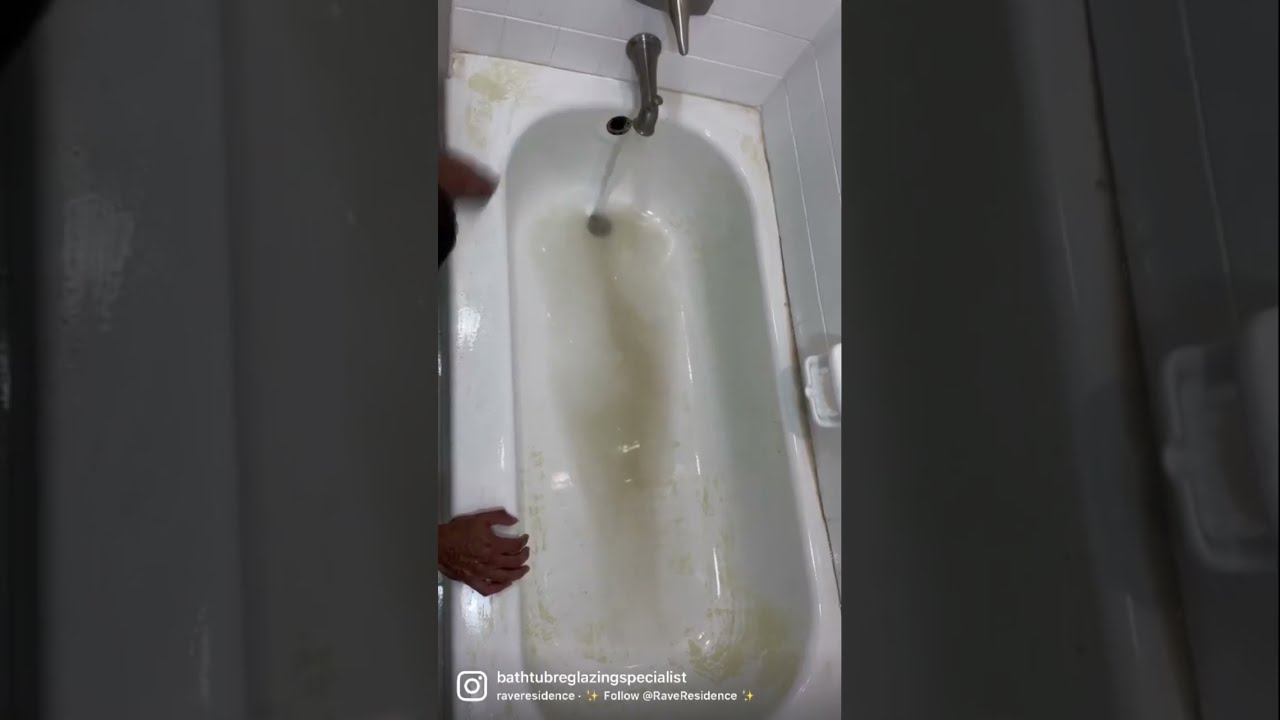
Bathtub reglazing can breathe new life into a bathroom that is outdated. Bathtubs are often subject to wear and tear, acquiring unsightly stains, scratches, and chips over time. Reglazing a tub restores it to like-new condition. It presents a shiny, pristine surface which revitalizes the appearance of the entire room. This improvement is not only pleasing to the eyes, but can also make a significant impact on the first impression that potential homebuyers have when they enter your bathroom. Bathrooms are an important selling point for real estate, so presenting them with a gleaming center can be very beneficial.
Island Bathroom Refinishing: 11 Thing You're Forgetting To Do
Cost-Effective Remodeling Alternative
Renovating a bathroom can be an expensive undertaking, particularly if you're considering replacing fixtures like bathtubs. Reglazing is a cost-effective way to update your tub without having to purchase and install a new one. The process involves repairing any damage on the existing tub's surface and then applying several layers of specialized coating. This means you avoid costs such as demolition, removal, plumbing adjustments, and buying new hardware which can quickly add up with full replacements.
Time-Saving Renovation Process
Time is another considerable factor in home improvements - traditional renovations often take weeks or even months to complete. Bathtub reglazing is a fast and efficient process that takes only a few days to complete. Homeowners do not have to contend with extended periods of construction noise or worker intrusion. This quick turnaround minimizes disruption to your daily life, while still achieving significant functional and visual upgrades in your bathroom.
20 Gifts You Can Give Your Boss If They Love Islandbathroomrefinishing
Longevity, Durability and Reliability
Reglazed bathtubs are not just about short-term benefits; they offer long-lasting results as well when properly maintained. The materials used to reglaze create a durable finish which can extend the life expectancy of your tub. It also offers added resistance to future wear and maintains its luster over a longer period of time compared to untreated surfaces. Reglazing tubs instead of replacing them frequently due to deterioration and style changes will ensure that they last longer. This will also provide homeowners with a consistent level of quality in their living space.
This means that bathtub reglazing can be more than a superficial improvement. It's essentially an investment in both aesthetics and function, while adding value to your home without imposing excessive financial burdens or disrupting your daily routine.
Why The Biggest "Myths" About Surface Specialists May Actually Be Right
Historical facts about bathtub
The history of the bath is a fascinating journey that takes you through different cultures and technological advances. Here are some historical facts about bathtubs:
The earliest known bathtub was found on the Isle of Crete in around 1700 BC. This 5-foot-long pedestal tub was vespars.com/contractors/bathtub-refinishing-supplies/wilmington-1/european-coatings-inc/ made of hardened pottery.
Roman Bathing: The Romans are known for their elaborate bathhouses, bathing rituals and communal bathing.
Medieval Times - During the Middle Ages, Europe had many public baths. By the end of the period, however, public sanitation was declining and private bathing was becoming rare because of fear of disease.
Renaissance Revival During the Renaissance, bathing was revived with a greater focus on personal hygiene by the upper classes.
The Clawfoot Tub: In the mid-18th century, clawfoot tubs began appearing with origins traced back to the Netherlands with designs possibly inspired by Chinese dragons holding precious stones. These became particularly popular in England among the aristocracy as bathing became fashionable again.
Industrial Revolution Innovations. With the advent of cast-iron production during the Industrial Revolution bathtubs became more accessible and affordable, leading to an increase in popularity.
Porcelain enamel coating: David Buick, better known as the founder of Buick Motor Company, also developed a method to coat cast iron tubs in Detroit with porcelain enamel during the 1880s. This improved durability and ease-of-cleaning.
Colored bathroom fixtures: In 1928, Crane Company introduced colored bathroom fixtures into the U.S. market. This gave homeowners more design options than traditional white bathtubs.
Modern Materials: In the 1960s, fiberglass bathtubs became standard due to its lightweight nature and cost effectiveness. Later, acrylic bathtubs were introduced that allowed for new shapes other than traditional rectangles.
Diverse Types: Today, bathtubs come in a variety of types. These include whirlpool baths, which were popularized in America in the 1960s and 1970s; freestanding tubs that are preferred for large bathrooms; as well specialized versions like baby bathtubs or inflatable tubs designed for portability or to save space.
Hot tubs are used for relaxation and therapy. They have been popular since the hippie era in America, around 1967.
This summary provides an overview of key points throughout bathtub history while highlighting cultural shifts and technological advancements that have shaped our modern experience with this household fixture.